
America’s metaphorical town square is fading. The classic places where people once gathered without an agenda—the corner café, the local diner, the neighborhood bar, the village green, the library steps—have thinned out over decades. Sociologist Ray Oldenburg called these “third places”: neither home nor work, but informal public living rooms where regulars and strangers mix, conversations spark, and community quietly forms. Today those spaces are scarcer. Suburban design prioritized cars over walkable gathering spots. Commercial rents rose. Independent shops closed. Screens and delivery apps made it easier to stay inside. The result is a quieter, more isolated public life.
Data tracks the decline. Regular visits to third places have dropped sharply. Time spent socializing in person has fallen. Loneliness and social isolation have risen to levels the U.S. Surgeon General has called an epidemic, with health consequences comparable to smoking or obesity. When people lose low-stakes places to encounter one another, trust erodes and polarization hardens. We interact less with those who are different from us, and the distance grows.
Food Trucks as Pop-Up Town Squares
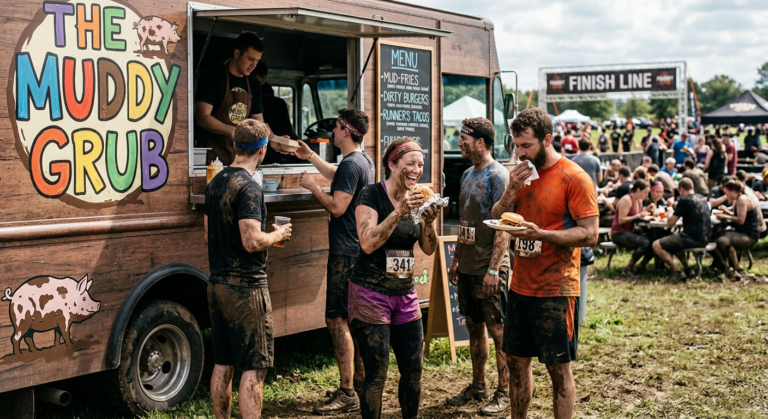
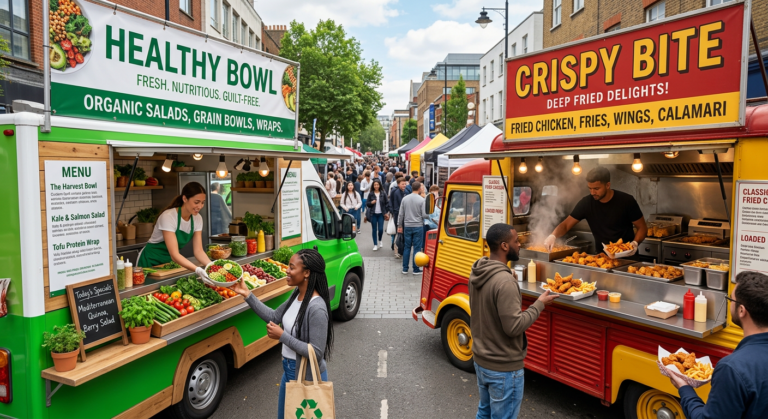
Into this gap roll the food trucks. They are not a perfect replacement for a permanent plaza or a beloved neighborhood café, but they function as agile, temporary third places. A single truck parked near a park, office complex, brewery, or empty lot can draw a crowd. A cluster of trucks—a food truck rally—can transform a parking lot or street into an impromptu public square for an evening.
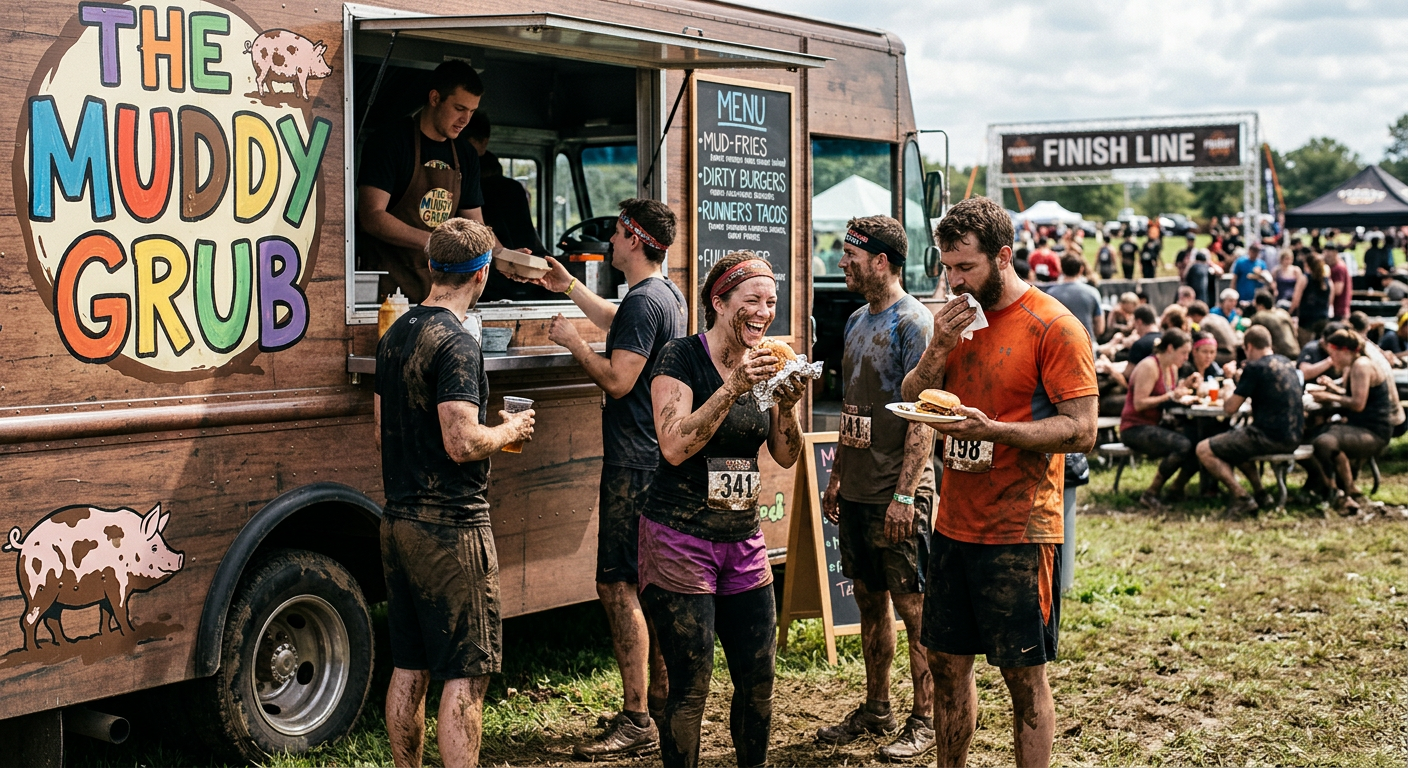
People stand in line together. They wait side by side. They sit at communal tables or on nearby curbs and benches. They talk to the person cooking their food. Strangers become temporary neighbors over a shared need: everyone has to eat. Food truck events often pair with music, local vendors, or simple outdoor seating, creating the kind of loose, mixed company that traditional third places once provided. Cities and neighborhoods have used these gatherings to activate underused spaces and bring residents out of their homes and into shared public life.
Because trucks are mobile, they can appear where permanent infrastructure is missing—suburbs with few walkable spots, downtowns after office hours, neighborhoods recovering from economic shifts. They lower the barrier to showing up. No reservation, no dress code, no membership required. Just show up hungry.
Face-to-Face Contact Still Matters
The value of these encounters is not nostalgic; it is practical and biological. Face-to-face interaction consistently outperforms virtual substitutes for building social connection and well-being. Studies tracking daily interactions find that in-person contact is linked to higher positive affect and stronger feelings of connection than video calls, messaging, or social media. Loneliness and isolation, by contrast, raise risks of heart disease, stroke, dementia, depression, and premature mortality. The Surgeon General’s advisory on social connection underscores that isolation is a public-health issue, not merely a personal one.
In a polarized era, neutral shared experiences become especially useful. Food is one of the few remaining common denominators. Research on shared meals shows that eating together can reduce social tension, increase cooperation, and soften the edges of difference. People who share food often report greater trust and willingness to engage across backgrounds. Food trucks create exactly that setting: casual, short-duration, low-stakes encounters around a universal need. You do not have to agree on politics to stand in the same line for tacos or discuss the weather while waiting for a sandwich. The interaction is human before it is ideological.
We All Gotta Eat
That simple fact—“we all gotta eat”—is the quiet strength of the food truck model. Hunger is nonpartisan. A good meal is a temporary truce. In a country that feels increasingly sorted into separate media ecosystems, separate neighborhoods, and separate realities, places that still bring mixed groups of people into the same physical space perform a quiet civic service.
Food trucks will not single-handedly restore America’s third places or heal deep political divides. But they demonstrate that the hunger for real-world gathering has not disappeared—it has simply adapted. When traditional town squares thin out, mobile kitchens and the crowds they attract offer a practical, pleasurable reminder that showing up in person still matters. In divided times, that may be one of the healthiest things we can do for the social fabric: leave the house, stand in line with strangers, and share the simple act of eating.